
Unpacking the Gold Digger from Betty Van Deventer to 90 Day Fiancé
The “gold digger” remains a potent cultural archetype—a figure, often a woman, who leverages charm, romance, or seduction to secure material advantages from a partner. This image gained traction in the early 20th century amid economic shifts and evolving gender dynamics. A striking early example comes from Betty Van Deventer’s 1928 pamphlet Confessions of a Gold Digger, published in the popular Little Blue Books series. Writing during the speculative excess of the Roaring Twenties, Van Deventer unapologetically embraced the role, framing it as a shrewd adaptation to constrained opportunities.
She describes her evolution from naive romanticism to pragmatic calculation:
Until I was old enough to vote I had a romantic attitude concerning the relationships between men and women. I was, in other words, a feminist. […] As a scornful victim of false idealism, I had scorned the very words ‘gold digger.’ […] And now I confess, without apology, without a sense of guilt that I, too, belong to that wise sisterhood who might be called gold diggers.
Van Deventer quit a job after facing workplace inequities and turned to affluent men for luxuries, stock tips, and gifts. Her methods were calculated yet subtle—feigning shared interests, orchestrating “accidental” purchases on dates, or flattering egos to unlock generosity.
One classic tactic she outlines is feigning forgetfulness:
One old-fashioned way is to take a man for a window-shopping walk after luncheon or the matinee. The stop in front of an alluring show. Suddenly the woman remembers that she needs some silk hose, just the color of her gown. She goes into the shop and the man follows. She selects three or four pairs of hose and fumbles in her purse for money. Of course, the man gallantly comes to the rescue. She is surprised, insists that he must not pay for the hose. The more she insists, the more the man declares that he will foot the bill. […] The gold digger knows, of course, that such a ploy can only work by tapping into the man’s sense of chivalry.
Van Deventer also explores male vulnerabilities, noting how men often crave validation through patronage or rescue fantasies:
Usually the belief in artistic abilities is sincere in these girls. […] Perhaps he sees in them his own frustrated desires to accomplish something individual. And if a man should help a girl who turns out to be a noted artist, is his reward not great? He has been a patron of the arts! […] The psychology of flattery relates to the knowledge of the inferiority complex. Man feels inferior to other people for any number of reasons, and he is always searching for people who will bolster up his shattered ego. Who can do this better than a handsome girl or woman?
These dynamics, she argues, exploit mutual weaknesses: strategic allure on the one side and susceptibility on the other.

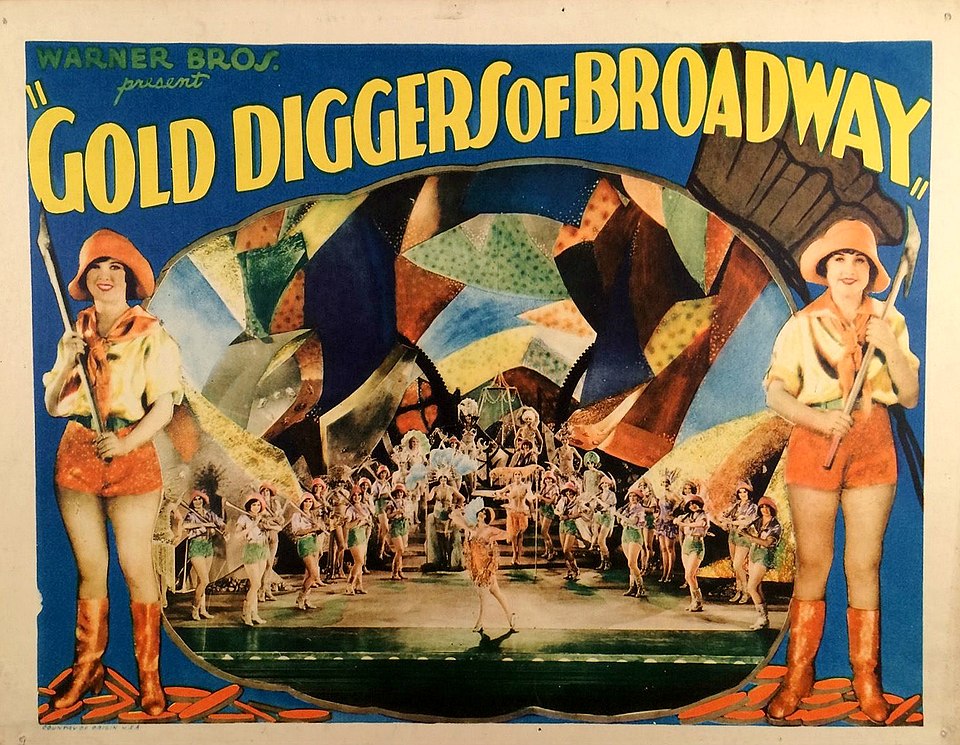
The archetype flourished in eras of wealth inequality, like the 1920s boom leading to the 1929 crash. In the 1930s, during the Great Depression, the gold digger trope became prominent in American cinema. Films such as Gold Diggers of 1933, Baby Face (1933), and Red-Headed Woman (1932) featured the character extensively. Film historian Roger Dooley described the gold digger as one of the most common stereotypes in 1930s films. Notably, these portrayals were often positive or heroic, depicting the figures as resourceful survivors in tough economic times rather than mere opportunists.
According to Wikiwand, the character persisted post-1930s, evolving in tone. In the 1950s, Marilyn Monroe embodied the archetype in Gentlemen Prefer Blondes (1953) and How to Marry a Millionaire (1953), playing charming, unapologetic pursuers of wealth who ultimately find happiness—often blending materialism with sympathy.
Is gold digging a form of female empowerment?
Viewed through one lens, gold digging represents resourceful agency in restrictive systems. When direct paths to wealth or independence were barred, using beauty, wit, and social acumen to gain resources could feel like clever subversion. Van Deventer presents it as liberated pragmatism—rejecting idealism for self-advancement. Contemporary versions, like consensual “sugar” relationships, are sometimes defended as transparent empowerment: explicit exchanges of companionship for support, allowing funding of goals like education or security without traditional dependency.
Advocates argue it flips power imbalances, letting individuals dictate terms in societies that commodify youth and attractiveness. Why not monetize assets others freely exploit? In this view, it’s adaptive strategy, not exploitation—especially when partners willingly participate, seeking validation or status in return.
Yet this perspective has limits. Critics contend it perpetuates reliance rather than dismantling barriers, trading one provider for another. It risks reducing intimacy to commerce, fostering vulnerability when transient advantages (youth, beauty) wane. Moreover, success often hinges on exploiting emotional gaps, raising ethical questions about authenticity in relationships.
Does gold digging rely on an underlying sense of victimhood?
A recurring thread in these narratives is perceived injustice. Van Deventer anchors her choices in systemic inequities:
When I was given one position of responsibility, my employer informed me that he had considered carefully before he had chosen me, because a man had always occupied that place before. […] I know of many instances of women who are more competent than men in competition in business affairs, yet few of these women are offered the same opportunities as the men.
This grievance—that the deck is stacked—rationalizes indirect tactics. If fair competition is denied, why not circumvent it via available levers like charm or chivalry? It positions the gold digger as a victim reclaiming agency, extracting from those who benefit from the imbalance.
This victimhood frame can justify manipulation while reinforcing a narrative of helplessness: women as outsiders needing cunning shortcuts rather than equals entitled to open doors. It exploits men’s “protector” instincts, implying fragility to invite provision. While some practitioners reject victimhood, embracing pure transactionalism, the archetype frequently draws on grievance to soften moral edges.
Ultimately, gold digging endures because it exposes raw truths about gender, economics, and desire. It can momentarily empower through resource command but often entrenches the inequities it navigates. Genuine autonomy might demand paths bypassing others’ vulnerabilities altogether.
Green cards to designer bags: gold-digging dynamics on 90 Day Fiancé
Reality television has revived the archetype with dramatic flair, nowhere more vividly than in the 90 Day Fiancé franchise. One standout is Anfisa Arkhipchenko (now focusing on her fitness career) from Season 4 and Happily Ever After? The Russian native met American Jorge Nava online; he boasted wealth, and she sought luxury. Anfisa was candid about financial motives, demanding expensive gifts and enhancements—classic tropes amplified for cameras.

Fans labeled her a gold digger, fueled by volatile arguments. Complexities emerged: Jorge exaggerated finances, misleading Anfisa. Like Van Deventer, she framed expectations as pragmatic amid international power dynamics and gaps.
Post-divorce (after Jorge’s incarceration), Anfisa transformed herself, earning a business degree from UC Irvine debt-free and becoming a bodybuilding champion, certified personal trainer, and fitness influencer. As of 2025-2026, she’s thriving in the fitness world—intentionally gaining weight for muscle and curves (from 120 to 140 pounds), launching challenges like her Slim Fit program, and embracing full independence, effectively shedding the old label through hard-earned self-reliance.
Her arc mirrors broader debates on the gold digger archetype: initial transactional motives, often born from power imbalances, can evolve into genuine autonomy and empowerment. Yet not all follow this path—a counterexample from the same franchise is Larissa Dos Santos Lima, accused of seeking a luxurious lifestyle through her marriage to Colt Johnson; after a tumultuous divorce involving multiple arrests and deportation fears, she has faced ongoing personal struggles, including turbulent relationships, extensive plastic surgeries, and a reliance on influencer/content creation income amid public scrutiny and instability.
The gold digger persists as a mirror to societal tensions: ambition clashing with ethics, desire intertwined with disparity. Whether celebrated as savvy survival or critiqued as dependency, it challenges us to examine values in partnerships—and who bears the cost.
Andrew King is the author of Costly Signals: The Evolution of Dating Advice. His research archive spans over 500 dating and relationship books from the 1800s to the present.
Leave a Reply