
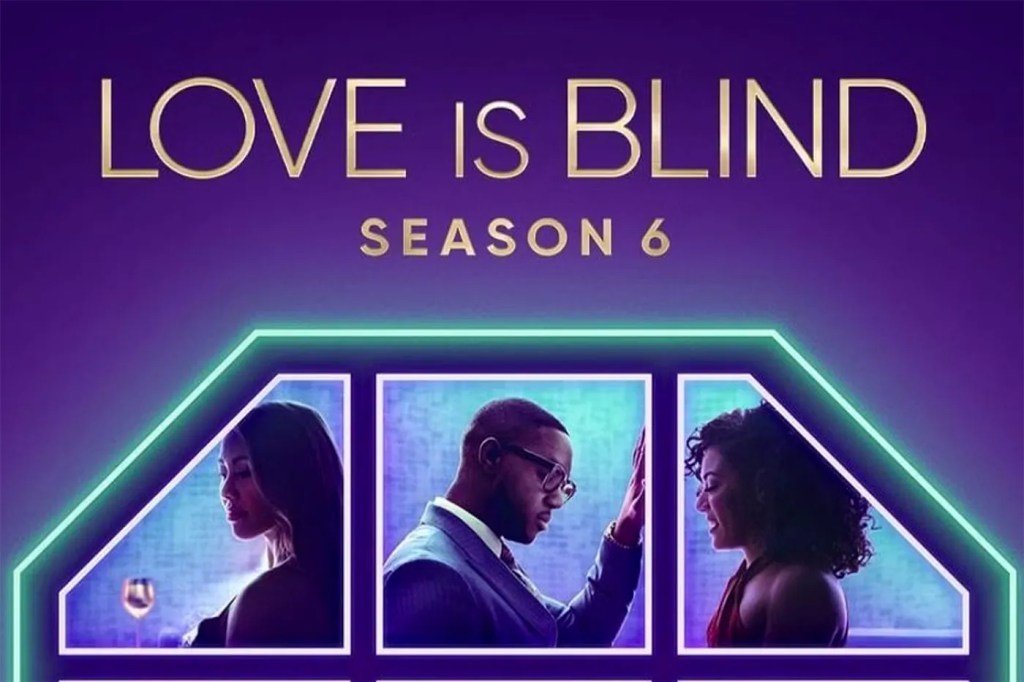
Note: This piece was originally written around 2015, during the peak of the reality TV boom and the rise of relationship-focused formats like The Bachelor. A decade later, the genre has only grown more dominant—migrating heavily to streaming platforms, going global with international versions, and experimenting with new twists like personality-first pods or abstinence challenges—while the core dynamics and cultural impact remain strikingly similar.
In the mid-2010s, as property renovation shows began to fade from prime-time dominance, a new form of commercialized escapism took their place: the dating and romance reality show. What I dubbed “relationship porn” exploded with formats like The Bachelor, which had debuted in the US in 2002 and arrived in Australia in 2013, quickly becoming a ratings juggernaut. Rivals soon followed—shows like Married at First Sight, Seven Year Switch, and First Dates—catering to endless gossip and heightened romantic fantasies.
Relationship porn mirrors traditional pornography in satisfying deep instinctual drives but is tailored to a broader, often female audience. Though it doesn’t feature graphic sex, it doesn’t deny the possibility either—it thrives on the power of suggestion. Lingering glances, lavish dates, emotional confessions, and the imagination of what happens “off camera” (in hot tubs, hotel rooms, or fantasy suites) fuel its appeal. In a society often promoting female desire and desirability, these shows became mainstream staples, far more commercially viable than explicit adult content. They not only entertain but also actively shape expectations about romance, amplifying hypergamous ideals—fame through marriage, competing for high-value partners—in an era where traditional dominant male archetypes feel scarce amid shifting gender dynamics.
The evolution of the dating show
The genre traces back to the 1960s with The Dating Game, a light-hearted game show where a contestant quizzed three hidden suitors (or vice versa) and picked one for a chaperoned date. Wit, personality, and quick thinking drove the choices, with occasional celebrity guests like Arnold Schwarzenegger or Michael Jackson adding flair. Australian adaptations like Perfect Match introduced quirky elements—remember Dexter the robot predicting compatibility ratings?—but the focus remained fun, low-stakes flirtation. Post-date interviews often revealed hookups, infidelities, or mismatches, yet these were self-contained episodes: quick seduction with no pretense of lifelong commitment, just the thrill of possibility and the implied reward of chemistry leading to sex.
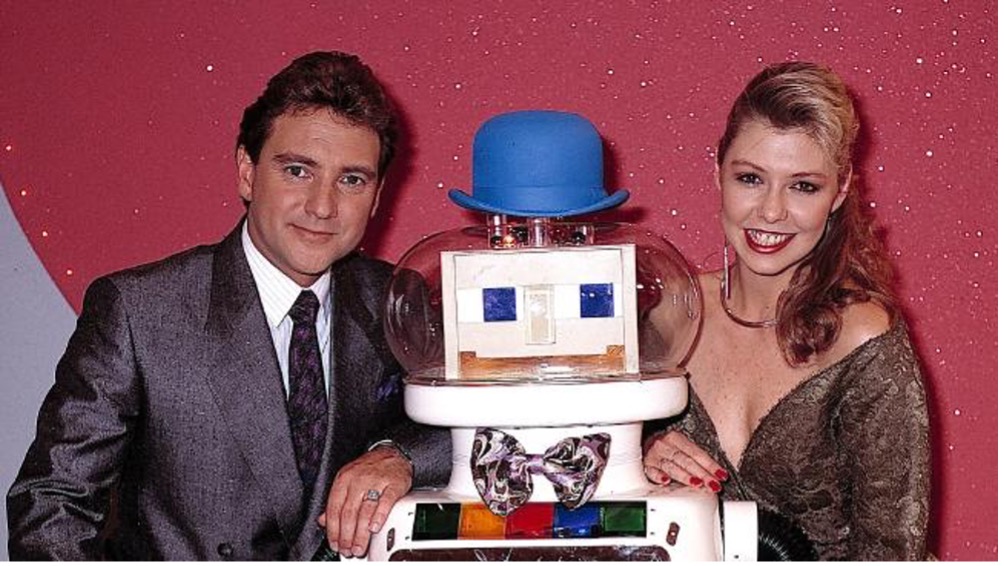
By the 1990s, the format emphasized drama from blind dates, but expectations stayed casual. The battle was male conquest versus female seductive testing (sometimes reversed), with sex as an unspoken prize rather than a taboo.
Reality TV transforms the genre
The early 2000s reality boom—Big Brother, Survivor—changed everything. Producers discovered that confining attractive young people together naturally sparked sexual and romantic tension, creating built-in drama. Australian Big Brother seasons highlighted this contrast vividly: early years featured explicit affairs (like dominatrix Andy and punk Gordon), quickly evicted by audiences; later, more “relationship-worthy” subdued pairings endured longer, like Marty and Jess, whose romance spawned a short-lived spinoff wedding special that ultimately fizzled.

This shift set the stage for serialized drama. Audiences craved ongoing speculation: Who would couple up? Who would find “true love” in this contrived environment? Daytime talk shows, radio segments, and magazines thrived on the chit-chat, turning fleeting house dynamics into cultural water-cooler moments.
The virtual harem: The Bachelor and beyond
The Bachelor perfected the formula: one desirable “alpha” man at the center of a “harem” of women competing fiercely for his affection. Hypergamy is on full display—fame, charisma, outcompeting rivals—while women navigate tribal dynamics: bonding with “sisters” yet covertly strategizing. The “love-to-hate” appeal allows plausible deniability, shielding viewers from judgments of overt desire or “slut-shaming” within the group.
This virtual harem echoes broader media fantasies: alpha males surrounded by admirers, from rock stars to princes. A decade later, the format endures and expands. The Bachelor wrapped its 29th season in 2025, with spin-offs like The Bachelorette and Bachelor in Paradise still going strong. Streaming has supercharged the genre: Netflix’s Love Is Blind (season 9 being released in October 2025, known for pod engagements and altar drama) continues to dominate, alongside Too Hot to Handle (abstinence challenges), Perfect Match (reality star crossovers), and inclusivity-focused hits like Love on the Spectrum. The current season of Love Island USA is a massive success with its villa isolation and public votes, while Married at First Sight remains another staple in its 19th season. International versions proliferate—Love Is Blind: UK and Single’s Inferno (Korean)—proving global appeal. My personal favorite is 90 Day Fiancé, with its numerous spinoffs following Americans pursuing love around the globe as they apply for the K-1 visa.

Today, top shows blend experimentation—whether personality-first connections in the pods of Love Is Blind, survival-style abstinence challenges on Too Hot to Handle, emotional growth on Love on the Spectrum, or the high-stakes cultural and bureaucratic drama of cross-border relationships in 90 Day Fiancé. Yet the core fantasy remains unchanged: heightened drama, idealized romance, and the illusion of spontaneity in meticulously produced settings.
The perils and power of relationship porn
These shows fascinate as cultural mirrors, revealing how media shapes perceptions of love and attraction. They manipulate emotions masterfully—those “gina tingles” from grand gestures or vulnerability—but virtual fantasy diverges sharply from reality. As one First Dates contestant pondered after rejecting a compatible match: Is movie-style love even real? Spontaneity on TV (candlelit dinners, roses, small talk) is scripted for production convenience, limiting endless real-world possibilities.
Producers profit by gaming expectations, often at the expense of realistic male-female dynamics. For men, recognizing this artificial script is key: success comes from rejecting formulaic “romance rules” and expressing authentic masculine desire boldly.
Ultimately, relationship porn supplements base desires but can’t replace genuine connection. Like any addiction, overconsumption yields diminishing returns. True satisfaction stems from real-world effort—unplugging from the matrix, cultivating personal value, and creating your own reality.
A decade on, the distortion has deepened: social media and dating apps have democratized this fantasy, letting ordinary people curate highlight-reel romances that flood feeds and swipe screens. This constant exposure trains us to chase performative perfection—filtered photos, scripted vulnerability, grand gestures—making authentic, unfiltered attraction even rarer. These shows offer conversation starters if you harness their energy wisely, but the real edge comes from opting out—building connections offline, where spontaneity isn’t produced, and value isn’t filtered.
Andrew King is the author of Costly Signals: The Evolution of Dating Advice. His research archive includes over 500 dating and relationship books spanning from the 1800s to the present day.
 Dating and Mating
Leave a comment